Introduction: The MEES Revolution
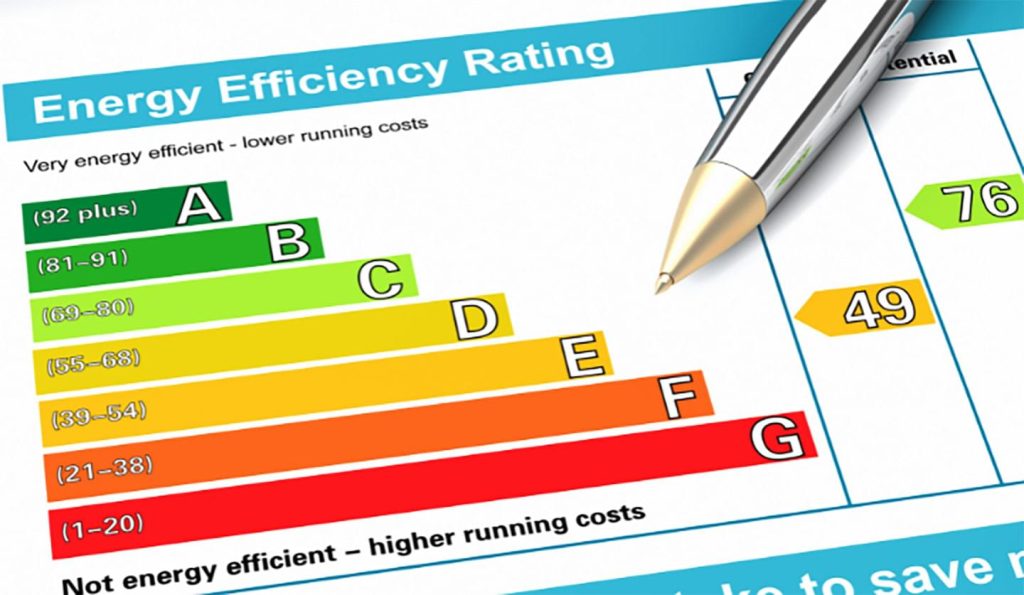
From April 2025, landlords of domestic and non‑domestic properties face stricter energy‑efficiency obligations. The Government plans to raise the MEES minimum energy rating from E to C over ten years, with interim targets like E by December 2025 and D by 2028. Alongside a revamped EPC system featuring updated band thresholds and improved accuracy, these changes reshape landlord responsibilities toward greener, more sustainable housing.
“We’re not just tightening standards,” says Climate Minister Claire Boothby, “we’re ensuring UK homes meet our Net Zero targets without leaving renters behind.”
But for private landlords, these reforms mean investment, compliance complexity, and strategic recalibration.
1. MEES Evolution: From E to C—and Beyond
The New Roadmap:
-
December 2025: All existing tenancies must meet E‑rating (current threshold).
-
2028: Upgrade to D‑rating.
-
2030–35: Move to C‑rating, with successive targets.
-
Potential B or even A ratings by 2038–40.
Each phase includes penalties: landlords unable to reach the required standard may face rent restriction, F and G lettings ban, and significant civil penalties.
2. EPC Overhaul: What’s Changing?
Key Reforms:
-
New EPC bands: E now covers broader range, while C, B, and A pulled higher.
-
Mandatory Green Deal Plan listing costs and timescales.
-
EPC expiry reduced from 10 to 5 years.
-
EPC assessments now include supply chain verification to block false green labels.
These ensure reliable evaluations and clearer improvement pathways.
3. Hard Choices for Landlords
The Cost of Compliance:
-
Medium terraced property (1980s): E→C retrofit costs ~£10k–£15k.
-
Larger period homes: Upwards of £20k–£30k.
Without grants, landlords must fund these works—raising rent or selling portfolios facing unlettable status.
Deadlines & Letting Risk:
Landlords may delay upgrades until closer to deadlines—forcing market pressure, void periods, and risk of non‑compliance.
4. Tenant & Agent Perspectives
-
Rising rents may strain tenants.
-
Agents must master EPC/EPC compliance marketing.
-
Green features become tenant-chosen options—not just obligations.
5. ihowz.uk: The Green Compliance Partner
Expert Training & Support:
-
EPC planning training: Evaluating properties, understanding technical options and ROI.
-
Green grants advisory: Tailored insights on Boiler Upgrade Scheme, Social Housing Decarbonisation Fund, and PRSI funding.
-
Legal frameworks: Guidance on Section 21 rent restrictions, civil penalty protection, and phased compliance timelines.
-
On-site compliance workshops: Practical support tied to real properties.
-
Agent landlord-policy briefings: Understanding legal, tax, and investment implications.
6. Strategic Approaches with ihowz.uk
-
Early audits – get EPC now, model interventions.
-
Cashflow planning – align upgrade costs with rent cycles.
-
Grant optimisation – taper landlord contributions.
-
Letting negotiation – highlight green features.
-
Phased delivery – avoid supply-chain bottlenecks pre-2028.
-
Legal audit & doc templates – ensure robust Schedules and rent clauses.
7. Unlocking Opportunity
Benefits of Going Green:
-
Improved EPCs attract more quality tenants.
-
Government grants reduce payback periods.
-
Access to professional investment products, like green-targeted mortgages.
-
Portfolio value increase—studies show each EPC band improvement adds up to 4–7% to property value.
8. Risks of Doing Nothing
Landlords who ignore MEES may face:
-
F and G listings fines and banned lettings.
-
Rent limitation orders in Section 21.
-
Marketing and void difficulties.
-
Reputational damage with agents and tenants.
9. Policy Advocacy: What We’re Calling For
At ihowz.uk, we support landlords—so we encourage coordinated calls to Government for:
-
Expanded interest-free retrofit loans.
-
Longer implementation windows if supply-chain fails.
-
Tax deductions for energy improvements.
-
Grants targeted at medium landlords (5–10 property ranges).
10. Call to Action: Prepare Now
Your Next Steps:
-
EPC/SAP surveys immediately.
-
Cost modeling with green experts.
-
Seek grants & energy company obligations advice.
-
Work with agents to advertise energy credentials.
-
Document green upgrades in tenancy contracts.
-
Book ihowz.uk Workshop for compliance readiness.
Conclusion: Green Is the New Rent
The 2025 MEES and EPC changes are ambitious—and essential if the UK is to meet climate targets. But they won’t succeed without a well-supported PRS. Landlords must evolve, adapt, and invest.
At ihowz.uk, our goal is to ensure no landlord goes it alone in this green revolution. With comprehensive training, expert advice, and policy advocacy, we’re paving the way for a compliant, lucrative, and environmentally responsible PRS by 2030.
Be green. Be compliant. Be prepared.
Visit ihowz.uk to discover our green compliance training, partner advisory services, and up-to-date legal guides.
Suggested Images:
-
EPC band scale: infographic comparing old vs. new thresholds.
-
Retrofit work: insulation or solar installation on rental property.
-
Grant workshop: landlord meeting with advisor.
-
Agent displaying green property ad online listing.