Setting the asking rent involves balancing market forces, legal obligations, and financial needs to attract a quality tenant and ensure a sustainable return on investment.
Key Considerations for Setting the Asking Rent
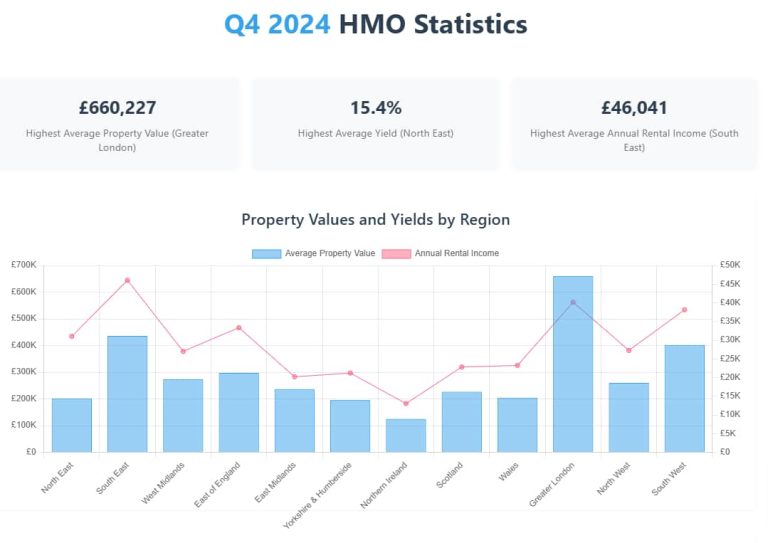
- Market Research: This is the most crucial step. Research the local rental market to determine the average rent for comparable properties (similar size, location, and amenities). Use online property portals or consult with local letting agents for expert advice and data. Overpricing can lead to extended vacant periods, while underpricing reduces your return.
- Property Characteristics: The features and condition of your property significantly influence the rent price.
- Condition: A well-maintained property in good condition with modern fixtures can command a higher rent.
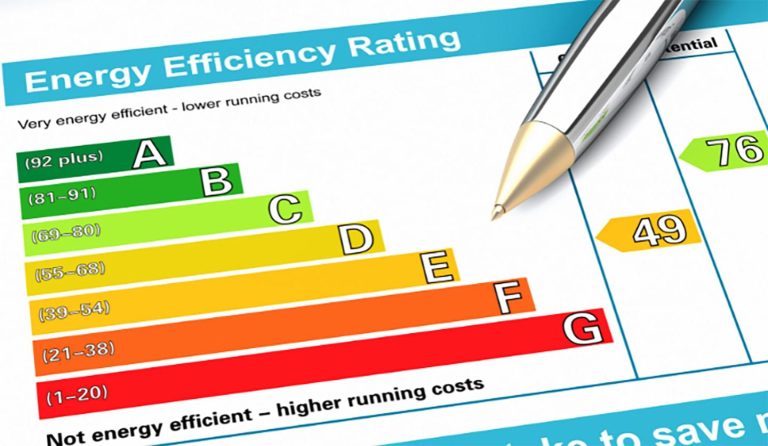
- Amenities: Features like a garden, off-road parking, a new kitchen, or energy-efficient upgrades (e.g., an EPC rating of ‘C’ or above, which is expected to be mandatory by 2030) are highly desirable and can justify a premium.
- Furnishing: Determine if you will let the property furnished or unfurnished, and consider which approach is more suitable for your target demographic.
- Location and Local Amenities: Proximity to schools, public transport links, shops, and leisure facilities can increase the property’s desirability and potential rent. Areas with high demand and low housing stock will generally support higher rents.
- Financial Obligations: Factor in all your associated costs to ensure the rent covers expenses and provides a reasonable return on investment (ROI). Costs include:
- Mortgage payments, insurance, and taxes.
- Ongoing maintenance and a contingency fund for unexpected repairs.
- Agent fees (if using a letting agent).
- Utility bills if you choose to include them in the rent.
- Target Tenant Demographics: Tailor your property and price to the likely tenants in your area (e.g., students, families, young professionals) to attract the right applicants.
Legal and Regulatory Considerations
- Tenant Right to Challenge: Tenants have the right to challenge the initial rent (within the first six months) or any subsequent rent increase at the First-tier Tribunal (FTT) if they believe it is above the local market rate.
- Renters’ Rights Act (from May 1, 2026):
- Mandatory Advertised Price: Landlords and letting agents are required to publish a specific asking rent for their property in any written advertisement (excluding “to let” signs).
Tip: HMO landlords letting by the room are responsible for the council tax, and should factor this in.
Tip: If your expected tenant demographic includes those with limited financial means, rents are often influenced by the Local Housing Allowance (LHA) rates or other housing support payments.
- Renters’ Rights Act (from May 1, 2026):
- Rent increases will be limited to once per year (using a Section 13 notice) .
- You must provide at least two months’ written notice of a rent increase.
- Tenants will have the right to challenge rent increases they deem unfair through a tribunal.
- Right to Rent Checks: You must perform Right to Rent checks to ensure all adult occupiers are legally allowed to rent in the UK.
- Essential Documentation: Provide the tenant with a copy of the current Energy Performance Certificate (EPC), a valid Gas Safety Certificate, and the government’s How to rent guide before they move in.
- Tenancy Deposit Protection: Any deposit taken for an assured shorthold tenancy must be protected in a government-approved scheme